If you’re reading this, there’s a good chance you’re in the middle of something difficult — sorting through a parent’s home after a loss, or helping a loved one transition into care and figuring out what to do with decades of belongings. There’s no need to rush through this, and there’s no version of an estate cleanout that’s purely mechanical. What follows is meant to take some of the guesswork off your plate on the logistics side — sizing, timing, what to expect — so you can spend your energy on the parts of this that actually need it.
Take This in Stages if That’s What You Need
Estate cleanouts don’t have to happen in one exhausting weekend, and for a lot of families, they shouldn’t. It’s common to work through a house room by room over several visits — setting aside what matters, deciding what goes to family, what gets donated, and only then dealing with what’s left. We build flexibility into our rental period specifically because this kind of project rarely moves in a straight line. If you need the container to sit for a while as you work through things at your own pace, say so when you book, and we’ll set expectations accordingly rather than rushing you toward a pickup date that doesn’t fit.
Sizing: What Actually Comes Out of a Whole Home
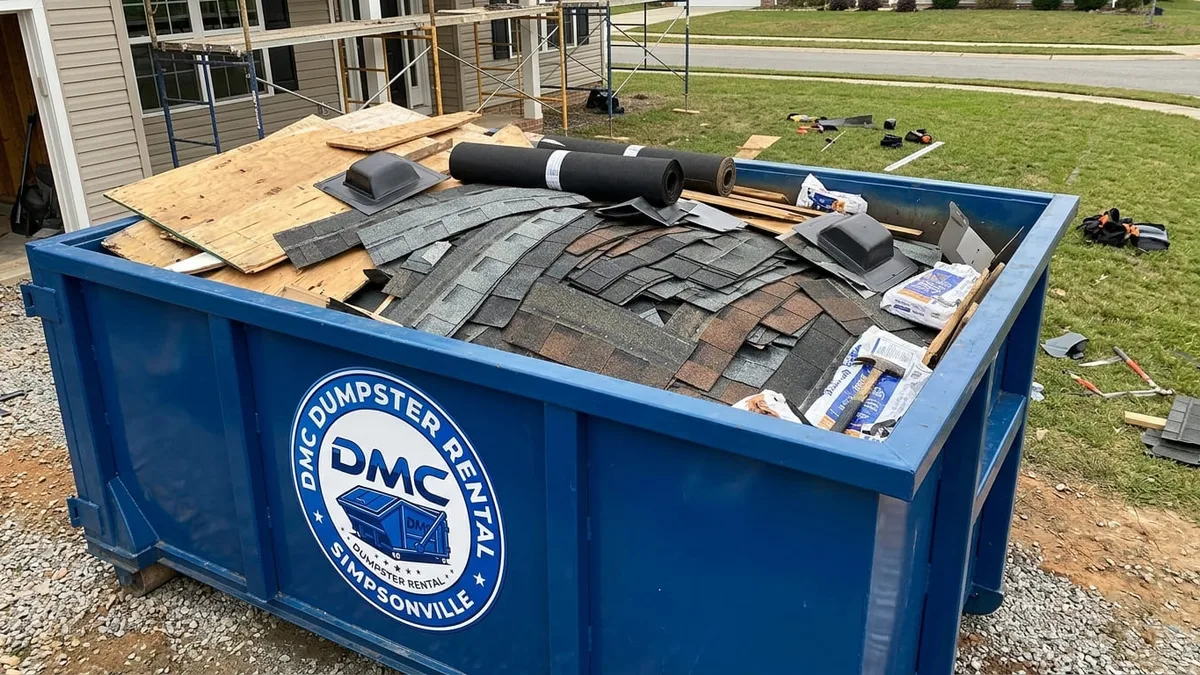
Most whole-house estate cleanouts land comfortably in the 20 to 30-yard range, though the right size depends more on how much is left after sorting than on the size of the house itself. A 20-yard dumpster is usually enough for a smaller home, an apartment, or a cleanout where a good portion of the belongings are being donated or kept by family rather than discarded. A 30-yard dumpster tends to fit larger homes, homes that have accumulated decades of belongings, or situations where furniture, old carpeting, and general household volume add up faster than expected — which is more common than people usually anticipate going in. If you’re not sure, describe the home to us on the phone — number of rooms, roughly how full it is — and we’ll suggest a size rather than leave you guessing.
What Typically Needs Sorting Out
Every estate is different, but a few categories tend to come up in almost every cleanout, and it can help to have them on your radar early rather than discovering them mid-project:
- Furniture, mattresses, and general household goods — these make up most of what goes in the container without any special handling.
- Old appliances — refrigerators, washers, dryers, water heaters — which South Carolina law (S.C. Code § 44-96-200) bans from landfill disposal, so these need to be routed through appliance recycling rather than loaded in with everything else.
- Older electronics and televisions — South Carolina has had a statewide landfill ban on electronics since July 2011, so these also need a separate path rather than going in the dumpster.
- Papers, photographs, and personal keepsakes — worth setting these aside early and going through them separately, since they’re easy to lose track of once general cleanout momentum picks up.
- Items with real donation value — furniture in good condition, clothing, housewares — that a local donation center could use, if there’s time to route them that way instead of the dumpster.
None of this needs to be sorted perfectly before we deliver the container. It’s just easier on everyone if the appliances and electronics get pulled aside as their own small pile rather than mixed into general debris, since those two categories legally can’t go in with the rest.
Appliances and Electronics Need Their Own Path
It’s worth repeating this one on its own, since it’s easy to miss in the middle of a big cleanout: South Carolina law treats old appliances and old electronics differently from ordinary household debris. White goods — refrigerators, washers, dryers, water heaters, and similar major appliances — are banned from landfill disposal under state law, and electronics and TVs have been under a statewide landfill ban since 2011. Neither of these is a matter of preference; both are legal requirements. If the home you’re clearing has an old refrigerator in the garage or a television that hasn’t worked in years, just set it aside and mention it to us — we can point you toward the right recycling option so it’s one less thing you have to research on your own.
Placement Is Usually the Easy Part
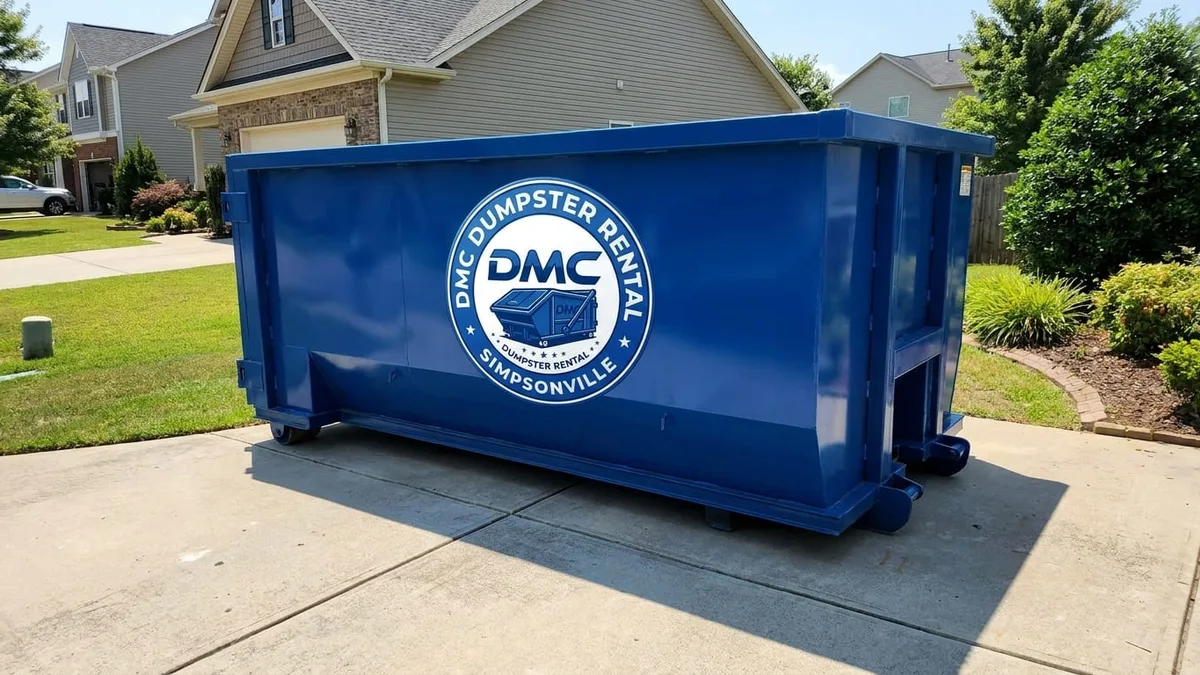
For most estate cleanouts, the container sits on the driveway for the duration of the project, which means no permit is required at all — that holds true whether the home is in Simpsonville, one of the surrounding towns, or out in the county. If the property doesn’t have driveway space and street placement becomes the only option, that does bring a permit into the picture depending on the town or county involved; our permit guide covers that in full, though it’s worth mentioning to us on the call so we can flag it before delivery day rather than after.
It’s Fine to Ask Family for Help Sorting
Estate cleanouts often fall on one person by default — the sibling who lives closest, or the one who ended up as executor — even when the belongings and the decisions really involve the whole family. If it’s possible, it can help to loop others in early, even just to agree on what stays, what goes to donation, and what gets shared out, before the bulk of the sorting begins. That’s not a logistics point so much as a practical one: decisions made together tend to sit easier afterward than decisions made alone under time pressure. None of that changes anything about how we handle the dumpster rental itself, but it’s worth factoring into your own timeline before locking in a delivery date.
A Word on Timing
There’s rarely a need to rush an estate cleanout to fit a delivery schedule — we’d rather work around your timeline than the other way around. If family is only in town for a limited window, or if you need to pause the project and pick it back up later, tell us that up front and we’ll do what we can to accommodate it. This is one of those projects where the logistics should stay in the background, not add pressure to a moment that already has enough of its own.
When You’re Ready
Whenever you’re ready to move forward — whether that’s today or a few weeks from now — we’re glad to talk it through. Call us at (864) 432-6521 and describe the home and roughly where things stand, and we’ll help you figure out sizing and timing without any pressure to decide on the spot. Our estate cleanout service is built specifically around projects like this one, and our junk removal service is worth a look too if you’d rather have a crew handle the hauling directly. Take the time this needs — we’ll be here when you’re ready.