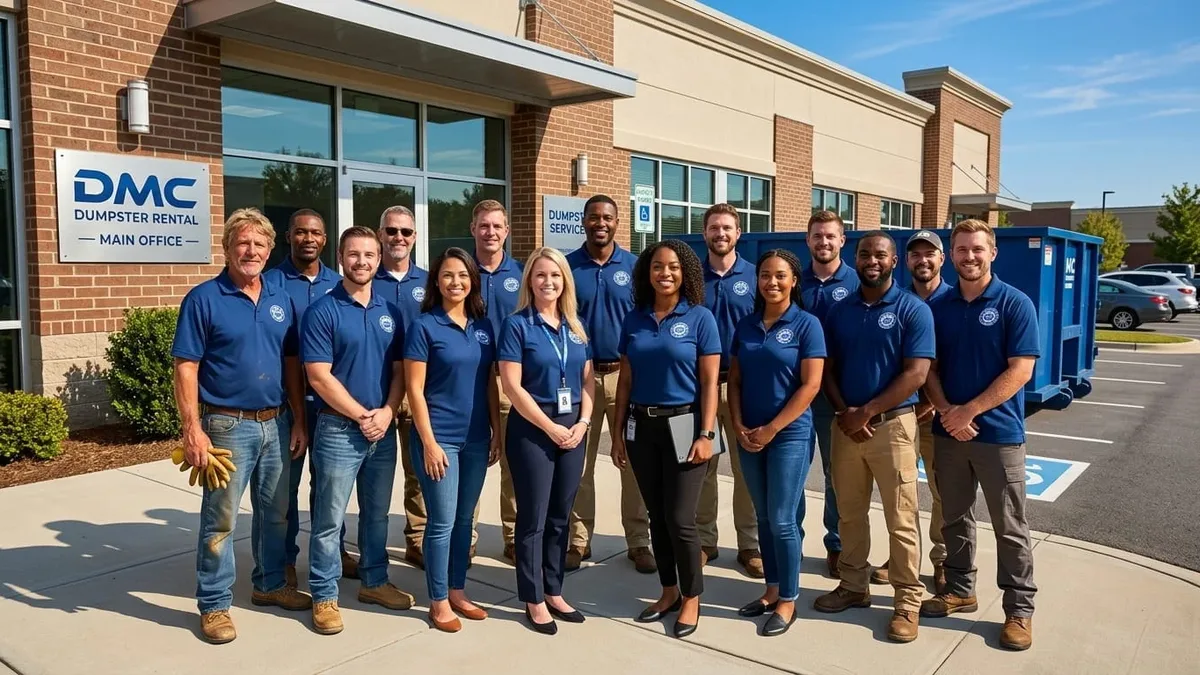
Contractors and general contractors working around Simpsonville and the Golden Strip deal with a different set of dumpster considerations than a homeowner clearing out a garage. Jobsite debris arrives in phases, not all at once. Material density swings wildly from framing lumber to demolished concrete. And an active site brings its own placement logistics that a quiet residential driveway doesn’t. Below is a practical rundown of how to think through sizing, service cadence, weight, disposal compliance, and permitting for a construction project in this area.
Sizing for the Volume a Jobsite Actually Produces
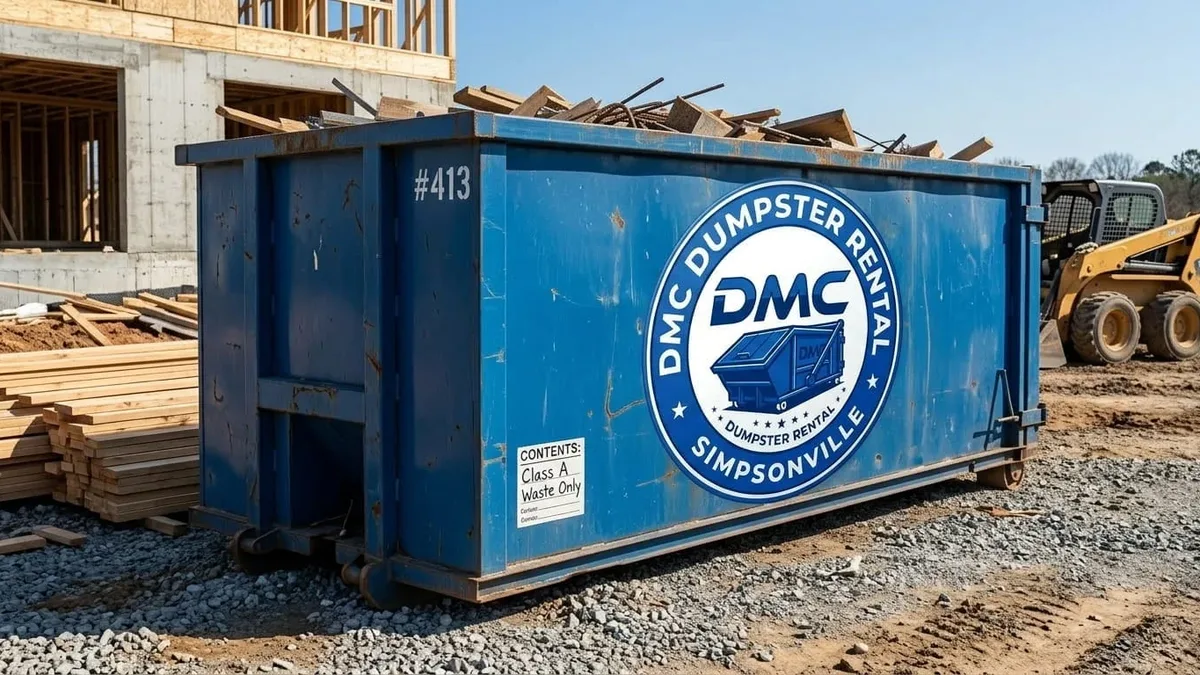
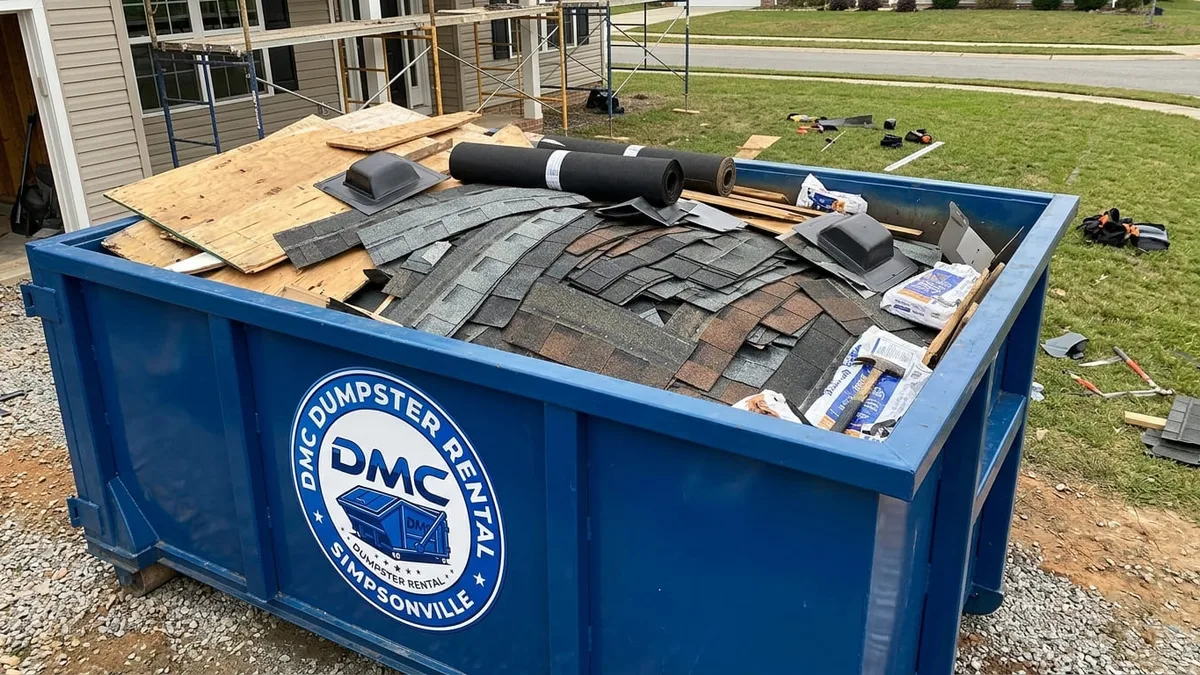
Most active construction and remodel jobs land in the 20 to 40-yard range, and the right pick depends on the scope and pace of work rather than the size of the structure alone. A 20-yard dumpster handles a lot of mid-size remodel work — kitchen and bath gut-outs, a room addition, moderate interior demo — comfortably. A 30-yard dumpster is the common choice for larger renovations, whole-house rebuilds, and new-construction cleanup where framing offcuts, packaging, and drywall scrap accumulate fast across a multi-week build. A 40-yard dumpster is built for major teardown and larger commercial jobs generating high volumes of lighter material. If your project is going to run for weeks rather than days, it’s often more efficient to size for a manageable rotation than to try to fit the entire job’s output into one enormous container sitting on site the whole time.
Swap-Out Service for Ongoing Jobs
For jobs that generate debris continuously rather than in one cleanout event, a swap-out arrangement usually beats a single static container. We pick up a full dumpster and drop an empty one in its place on a schedule that matches your pace of work, so the site never sits blocked by an overflowing container waiting on a one-time pickup, and you’re not stuck oversizing the box just to avoid a second delivery fee. This is especially useful on multi-week remodels and new builds where debris output is fairly steady, and it’s worth setting up the swap-out cadence when you first book rather than improvising it mid-project. Tell us your rough timeline and expected pace when you call, and we’ll help plan a rotation that keeps the site clear.
Weight Limits Matter More on a Jobsite Than Almost Anywhere Else
Construction debris is where weight allowances get tested the hardest. A container that’s only half full of concrete, brick, or block can already be at its weight limit, while the same size box packed with framing lumber and drywall scrap might still have plenty of allowance left. This is the single most common sizing mistake we see on jobsites — treating every yard of debris as equal when dense material behaves completely differently than bulky-but-light material. If your project involves foundation removal, driveway or slab demo, brick, or block, it’s worth a specific conversation about how that material is loaded rather than mixing it freely with the rest of the debris stream. Our concrete & heavy debris service is built specifically around that kind of dense-material load, often sized and handled differently than a general construction container. If you’re unsure which category your material falls into, describe it on the call and we’ll steer you to the right setup.
Disposal Law Compliance on an Active Jobsite
A couple of South Carolina disposal rules come up specifically on renovation and demo jobs. If the scope of work includes pulling out old appliances — refrigerators, water heaters, HVAC units, washers and dryers — those “white goods” are banned from landfill disposal under S.C. Code § 44-96-200 and can’t be tossed into a general debris container bound for the landfill; they need to be routed through appliance recycling instead. And if the job involves a structure built before the 1980s, factor in the possibility of asbestos-containing material in old insulation, flooring, or textured ceiling finishes before demolition starts — asbestos is never permitted in a roll-off under any circumstances and requires licensed abatement handled separately from standard debris hauling. Building that check into your pre-demo walkthrough is a lot cheaper than discovering it once material is already mixed into the container. For the full list of what can and can’t go in, see our guide to what can and can’t go in a dumpster in South Carolina.
Permit Considerations: Where the Container Sits
Placement location determines whether a permit enters the picture at all. A container sitting entirely within the jobsite’s own lot — on the property, off any public street — needs no permit anywhere we serve. It’s only once a container needs to sit on a public street or right-of-way that permitting comes into play, and the process depends on the jurisdiction: inside Simpsonville city limits, that means the City of Simpsonville’s Public Works Street Cut Permit, a confirmed $500 flat fee. In the other incorporated towns across our service area — Mauldin, Fountain Inn, Greer, Greenville, Gray Court, Laurens, Williamston, Belton — the process is entirely separate and runs through that town’s own office, so check with them directly rather than assuming Simpsonville’s rule applies. On unincorporated land, it’s county authority instead — Greenville, Anderson, or Spartanburg County Building Codes, depending on the address. Our full permit guide walks through this jurisdiction-by-jurisdiction, which is worth reviewing early if street placement looks likely for your site.
Coordinating Delivery and Pickup Around an Active Site
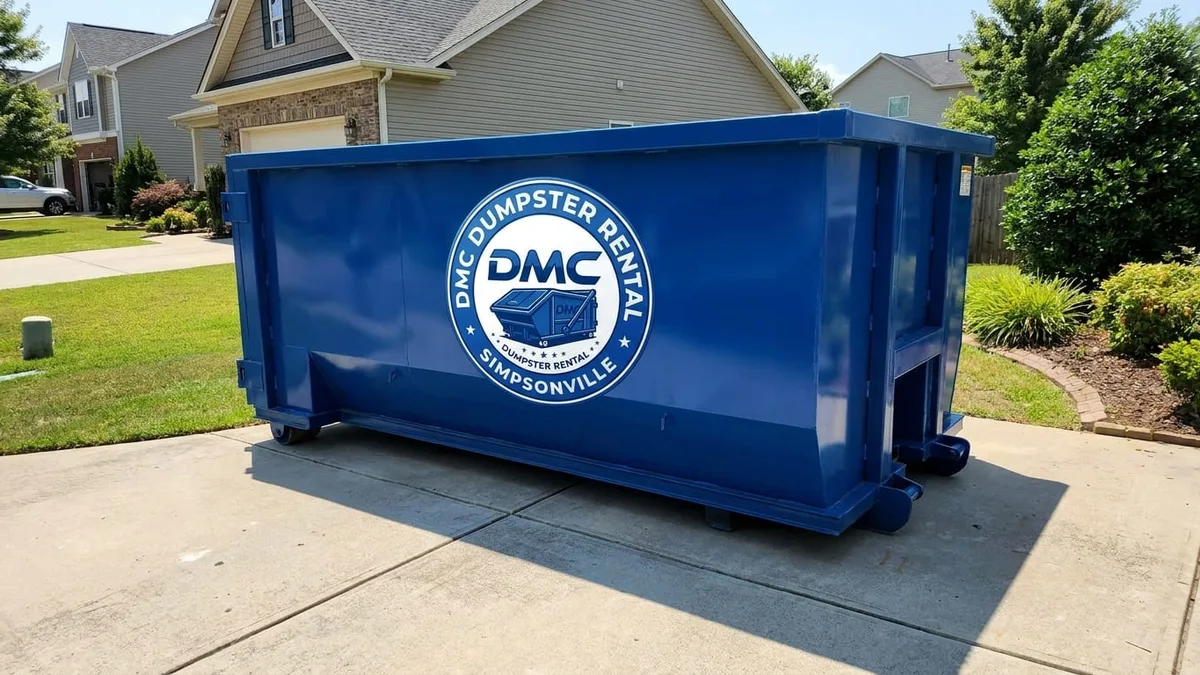
An active jobsite has different access needs than a quiet residential driveway — equipment staging, material deliveries, subcontractor parking, and the container itself are all competing for the same limited space. It’s worth thinking through placement before delivery day rather than during it: where the container needs to sit for loading to stay efficient, whether it needs to move at any point mid-project as work shifts from one part of the site to another, and how much clearance our truck needs for pickup and swap-outs. On tighter urban lots, particularly closer to downtown Simpsonville, this planning matters more than it does on a wide-open new-construction parcel with room to spare. A quick conversation with our team before the first delivery usually heads off most access issues before they become a problem mid-job.
Storm Season and Jobsite Scheduling
Spring across the Upstate brings a real severe-thunderstorm and tornado season, typically running March through June, and it’s worth building some scheduling flexibility into an active jobsite during that stretch — a container full of debris sitting open through a high-wind event isn’t ideal, and demolition schedules sometimes shift around storm warnings. If you’re planning a spring teardown or major exterior work, mention your rough timeline when you book so we can help plan delivery and pickup around the forecast rather than around it.
Booking for Your Site
Whether you’re running a single remodel or managing multiple active sites across the Golden Strip, the fastest way to get the right container, the right service cadence, and a clear answer on permitting is to call and describe the job. Reach us at (864) 432-6521 to set up construction dumpster rental, a demolition debris container, or a swap-out schedule for an ongoing job, and check our service area to confirm we cover your site.